
Holosun uses several mounting footprints, and choosing the right one is essential to finding an optic that fits. This guide compares three common examples: the RMR-footprint 507C X2, the Holosun K-footprint 507K X2 and the enclosed 509T X2.
A footprint describes the optic’s mounting interface. It does not describe the window size, reticle color, housing material or every detail of compatibility with a particular host. An adapter plate connects specified interfaces; it does not make those interfaces identical.
Holosun 507C X2: RMR Footprint
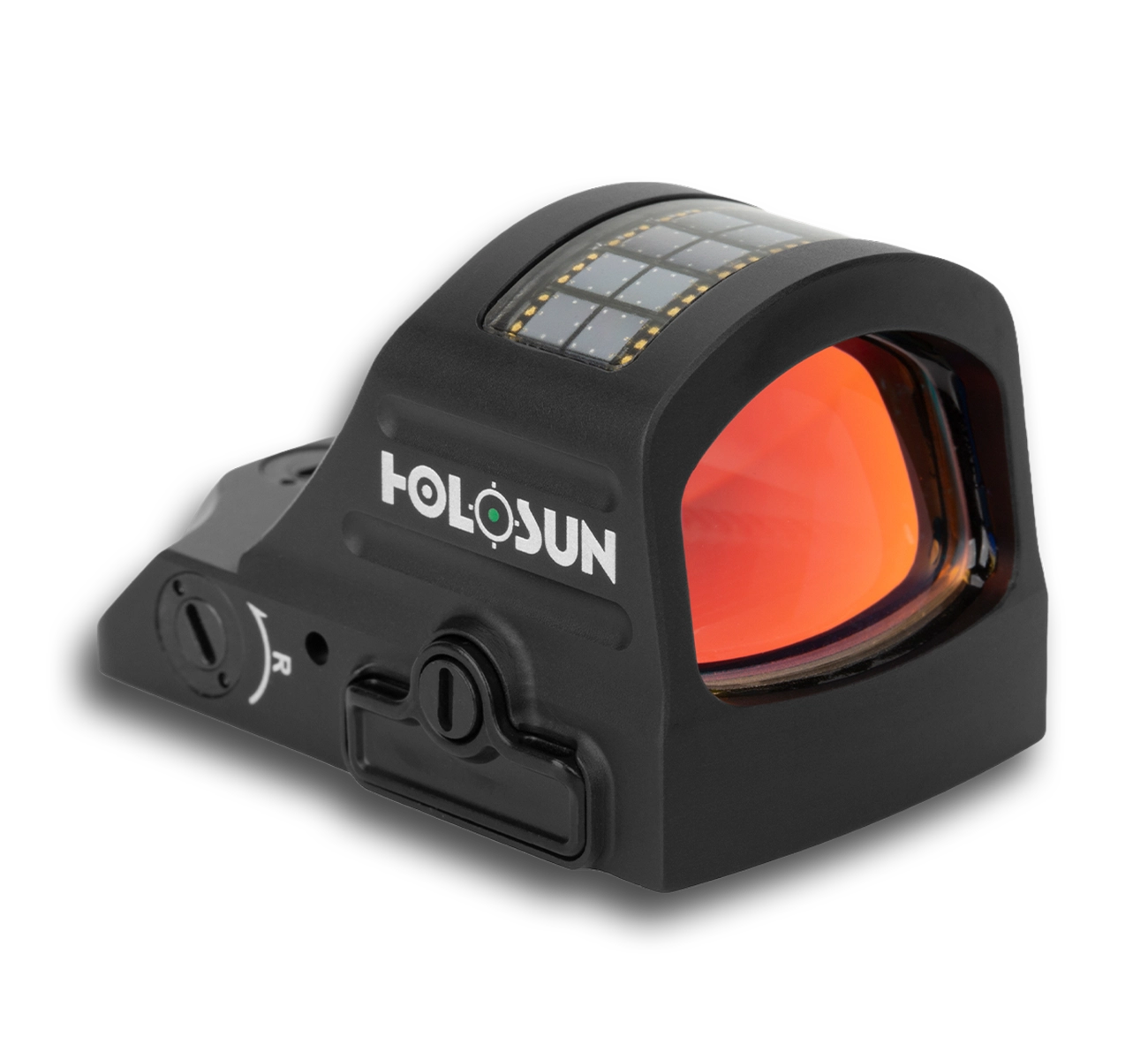
Design and Viewing Window
The 507C X2 is an open-emitter pistol optic. Its aluminum body surrounds a window measuring 0.91 inch wide and 0.63 inch high. The emitter sits behind the viewing lens in an open channel rather than inside a closed front-and-rear optical chamber.
The RMR footprint is used by several Holosun models. The 507C combines it with an open-emitter aluminum housing and a medium-sized window.
The 507C is a different family from the smaller 507K. Their similar names do not mean they share a mounting base or can replace each other without a compatibility check.
Reticle, Power and Maintenance
The X2 model offers Holosun’s Multi-Reticle System, with a 2 MOA dot and 32 MOA circle in selectable arrangements. Red and green versions are separate variants. Choosing a different reticle color within this model does not change the footprint.
The feature set includes Solar Failsafe, Shake Awake and a side-loading CR1632 battery. Side access makes routine replacement convenient; solar support is a separate feature and does not recharge the installed cell.
These features make the 507C a convenient everyday option, but the first buying check is whether your pistol supports its RMR footprint.
What RMR Means for the 507C
The 507C X2 uses the RMR interface. The same broad interface is found on several other Holosun families, including the 508T, 507COMP and 507 Pro Max, despite their different housing shapes and window sizes.
Before choosing a 507C, check whether the host provides the required interface directly or through an approved plate. A product described only as optics-ready may use a plate system rather than an exposed RMR cut.
Reference: Holosun 507C X2. Browse the 507C collection.
Holosun 507K X2: Holosun K Footprint
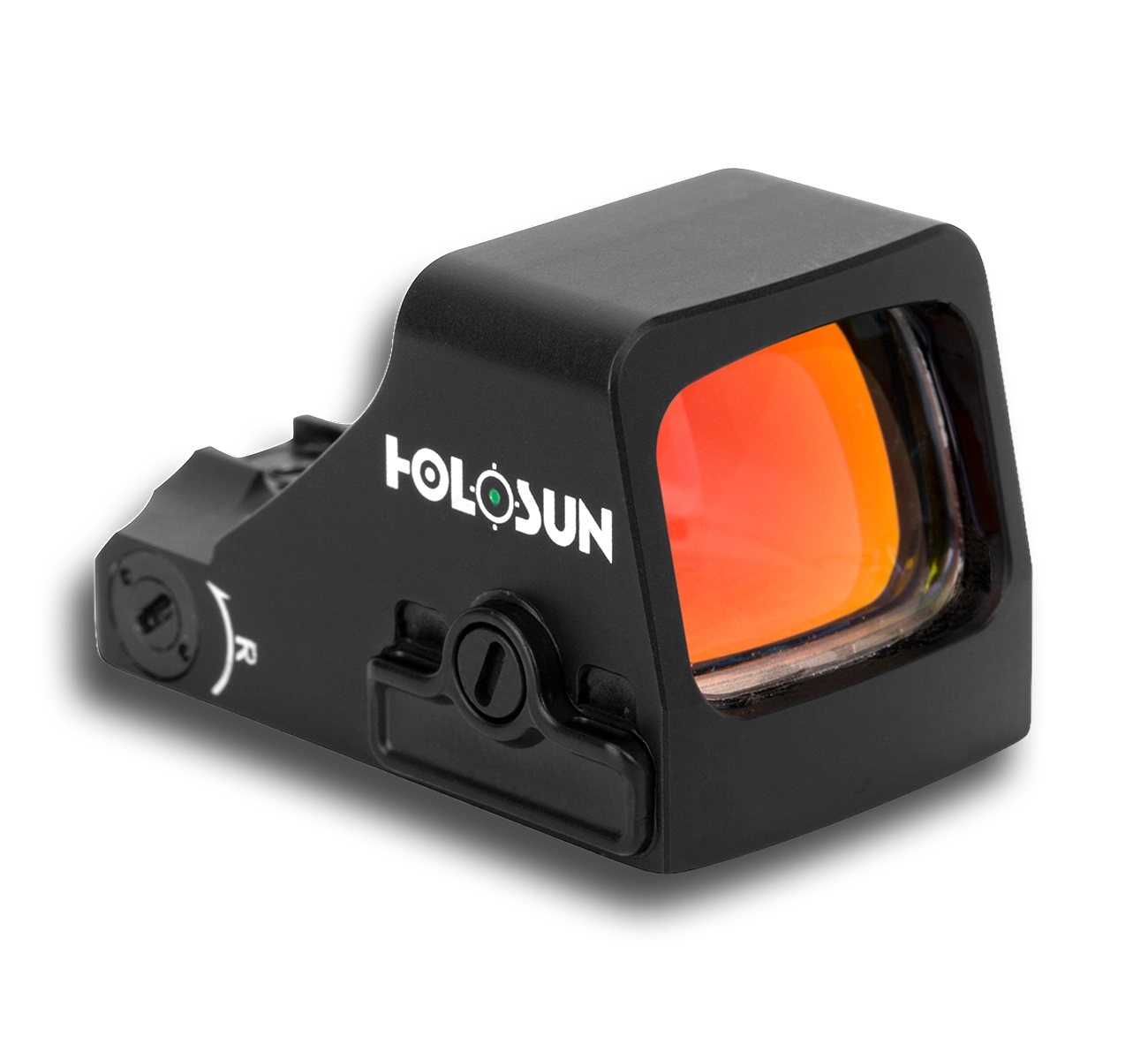
A Smaller Open-Emitter Format
The 507K X2 is a compact open-emitter pistol optic with a 0.77 x 0.58-inch window. Its narrower body distinguishes it from the larger 507C.
The 507K is narrower than the 507C and uses a different mounting pattern. It is not a direct swap for the larger optic.
The 507K is open-emitter. For an enclosed optic with the same K footprint, compare the standard EPS or EPS Carry.
Reticle and Electronics
The 507K X2 offers a selectable 2 MOA dot and 32 MOA circle, so its compact size does not restrict it to a fixed-dot display. Red and green variants provide separate color choices.
It uses manual brightness control, Shake Awake and a side-loading CR1632 battery. It does not include the 507C’s solar feature. Compare these features after confirming that the body size and mounting interface suit your platform.
You get a compact body with a choice of dot, circle or circle-dot reticle, rather than being limited to a fixed dot.
Holosun K and the RMSc Question
The 507K uses the Holosun K footprint. K and RMSc are often discussed together, but they are not universally interchangeable. Recoil-lug geometry and the specific host cut affect compatibility.
A plate may be needed even when an RMSc description appears in the host’s specifications. Look for the manufacturer’s compatibility information for the exact combination, not a general claim that anything in the compact-optic category fits.
Standard EPS and EPS Carry models also use the K interface despite their enclosed construction. These models show that the same interface can be used by optics with noticeably different housing designs.
Reference: Holosun 507K X2. Our 507C vs 507K guide explores the broader product comparison, while the 507K collection groups its variants.
Holosun 509T X2: The Dedicated 509T Interface
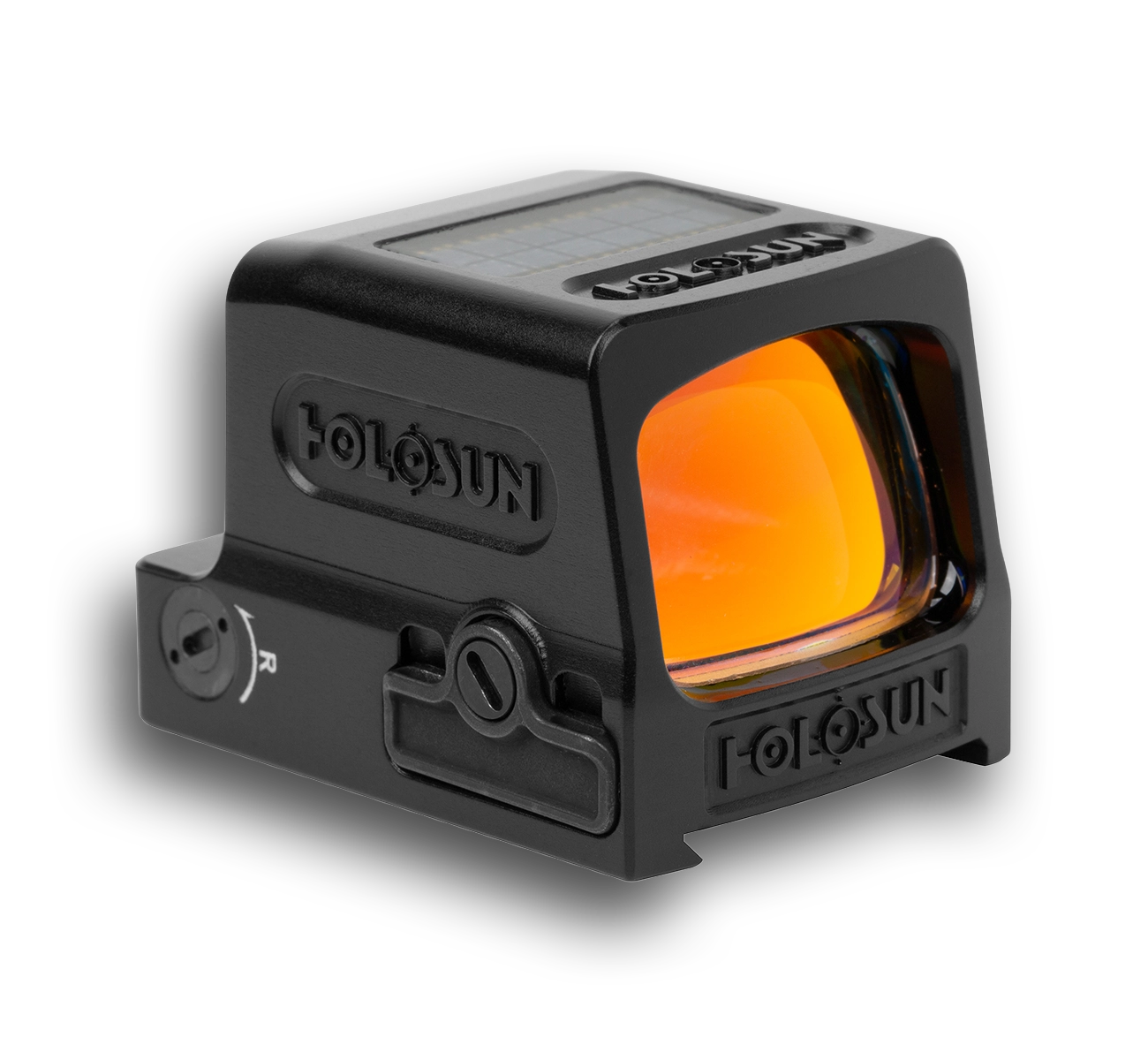
Enclosed Construction and Titanium
The 509T X2 moves to an enclosed emitter and titanium housing. Its internal optical path is surrounded by the body, rather than exposed in an open channel as on the 507C or 507K.
The enclosure is a key difference between the 509T and the other two examples. It shields the internal emitter path, but the external lenses still need care. Keeping the front and rear viewing surfaces clean remains part of routine maintenance.
For mounting, look for a plate or optic cut explicitly compatible with the 509T. Its titanium housing does not make it compatible with other similarly shaped sights.
Reticle, Solar Support and Battery
The 509T X2 provides a selectable dot-and-circle reticle, Solar Failsafe and Shake Awake. Its replaceable CR1632 battery is accessible from the side.
Those features give it several points in common with the 507C, but shared electronics do not make the two optics interchangeable. The enclosed body and dedicated interface remain significant differences.
After confirming the mounting arrangement, choose the reticle color you prefer from the 509T variants.
The Included RMR-to-509T Adapter
The 509T X2 uses its own mounting interface and includes an RMR-to-509T adapter.
The included adapter connects a compatible RMR mounting arrangement to the 509T base. The optic itself still uses the 509T footprint; it is not a direct RMR-footprint replacement.
A host-specific 509T plate is designed for a particular platform. For example, Holosun’s 509T plate for the CZ P-10 identifies both the optic interface and the host family. It is not a universal plate for every optics-ready platform.
Reference: Holosun 509T X2. See the 509T collection.
RMR vs K vs 509T: Compare the Interfaces
| Example optic | Native interface | Housing design |
|---|---|---|
| 507C X2 | RMR | Open emitter |
| 507K X2 | Holosun K | Compact open emitter |
| 509T X2 | Holosun 509T | Enclosed emitter |
RMR, K and 509T: Key Differences
The 507C and 507K both use open-emitter designs and selectable reticles, yet their footprints differ. The 507K and the standard EPS Carry share the K interface despite different housing designs. The 509T can be packaged with an RMR adapter without becoming an RMR-footprint optic.
Those distinctions explain why shopping by silhouette, battery type or a partial model name can go wrong. Compatibility depends on the interface and the specific host arrangement, while the other characteristics determine which compatible optic you prefer.
AEMS and SCS Footprints
AEMS Micro uses a dedicated interface and includes an RMSc-to-Micro adapter. AEMS Macro uses the 509T footprint. Both are pistol optics, separate from the rail-mounted AEMS rifle models.
SCS models are designed around specific platforms or mounting patterns. Our Holosun SCS guide explains which versions correspond to each pistol family.
For the AEMS pistol sights, see our individual model comparison. Check the complete model name before choosing a compatible mount or plate.
How to Shop for Holosun Adapter Plates
Identify three things before choosing a plate: the exact optic, the exact host model and the interface already provided by that host. The plate’s description should explicitly confirm compatibility with that combination.
Check whether the required adapter is included with your optic or pistol before buying a separate plate.
Our Holosun mounts, plates and spacers collection groups those accessories. This guide addresses product terminology and compatibility; for installation, follow the applicable manufacturer’s instructions or consult a qualified professional.
Holosun Footprint FAQs
No. The 507C uses RMR and the 507K uses Holosun K. Their similar names do not make them directly interchangeable.
No. The exact cut and lug arrangement matter. Check the manufacturer’s compatibility information for the particular combination.
It uses the 509T footprint and includes an RMR-to-509T adapter for compatible mounting arrangements.
Color variants within the same model generally retain the interface. Confirm the full model designation so that you are comparing color variants of the same optic.
No. The standard EPS and EPS Carry are enclosed optics that use the K footprint. Housing design and mounting interface are separate characteristics.
No. The term may refer to a specific cut or to a platform’s adapter-plate system. Check compatibility for the exact host and optic.
Leave a Reply