
Trijicon AccuPoint Scopes
Showing 25–34 of 34 resultsSorted by popularity
-
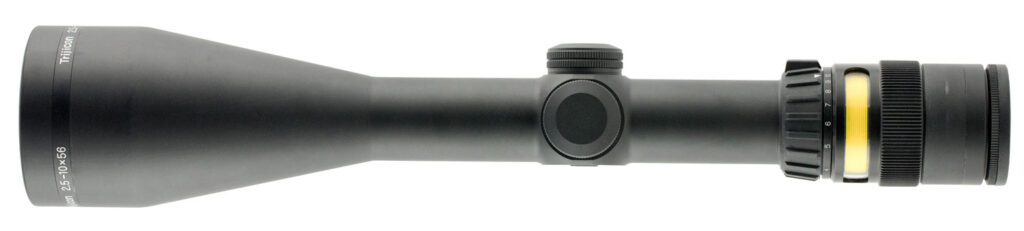
Trijicon AccuPoint 2.5-10×56 Riflescope, Duplex Reticle, Amber Dot, Matte Black
$1,108.00 -
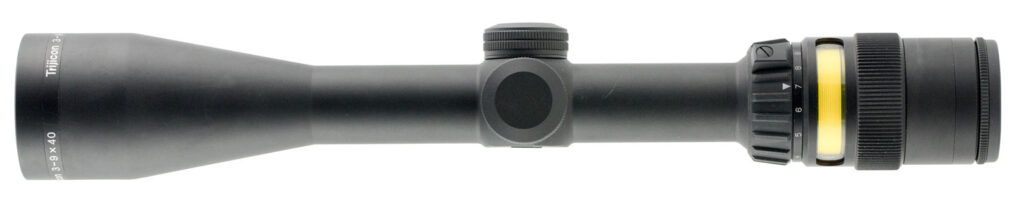
Trijicon AccuPoint 3-9×40 Riflescope, Mil-Dot Reticle, Amber Dot, Matte Black
$618.68 -
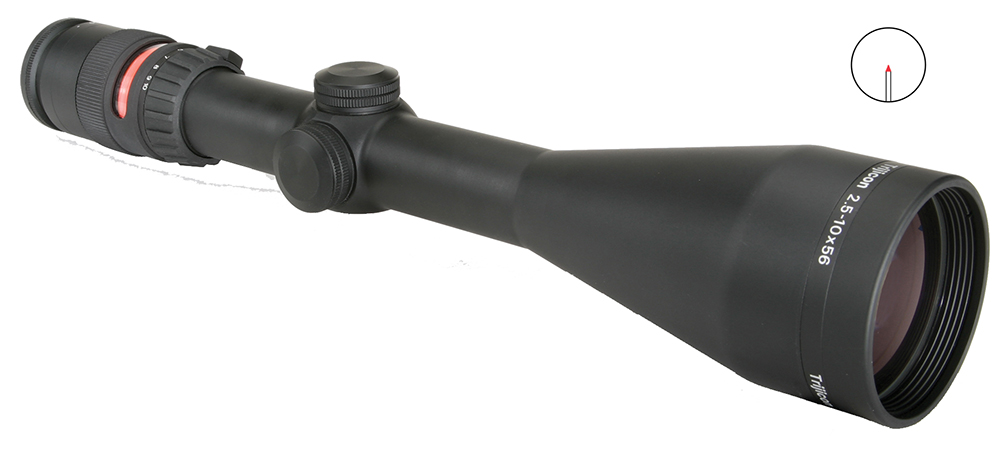
Trijicon AccuPoint 2.5-10×56 Riflescope, Red Triangle Post Reticle, Matte Black
$699.90 -
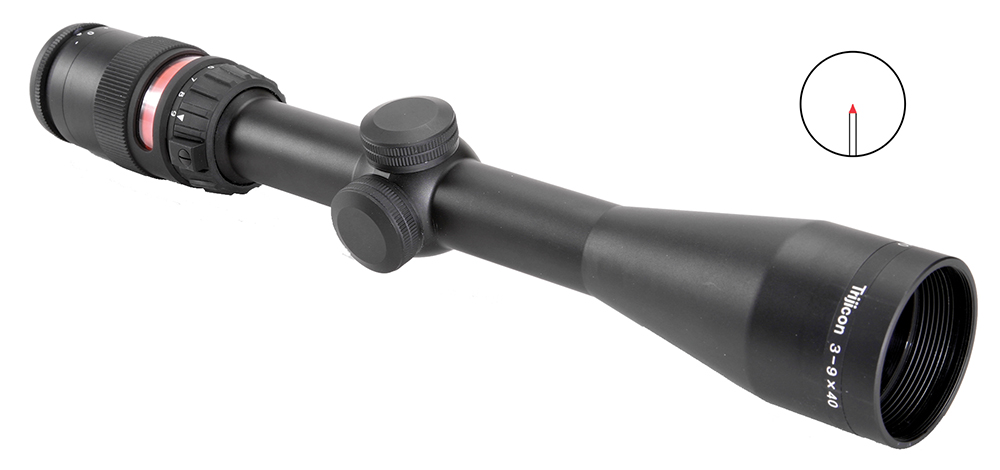
Trijicon AccuPoint 3-9×40 Riflescope, Red Triangle Post Reticle, Matte Black
$618.65 -
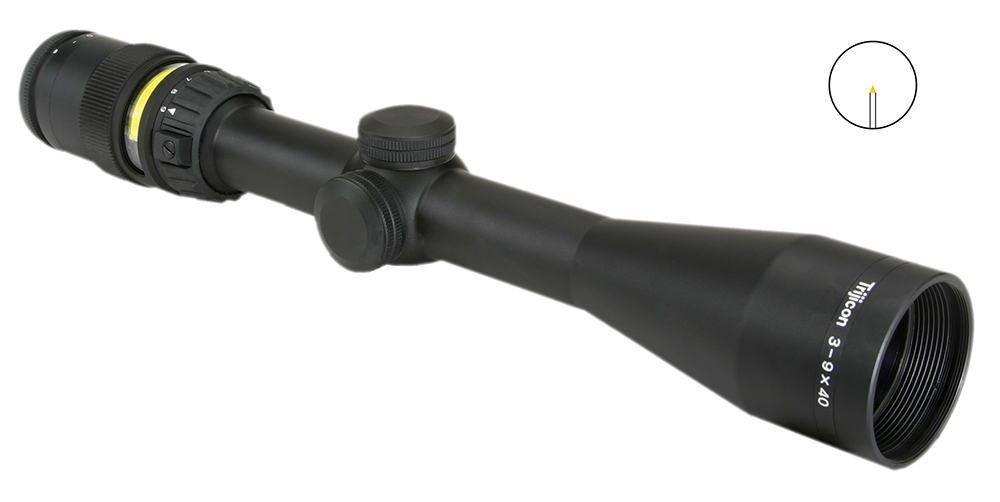
Trijicon AccuPoint 3-9×40 Riflescope, Amber Triangle Post Reticle, Matte Black
$618.70 -
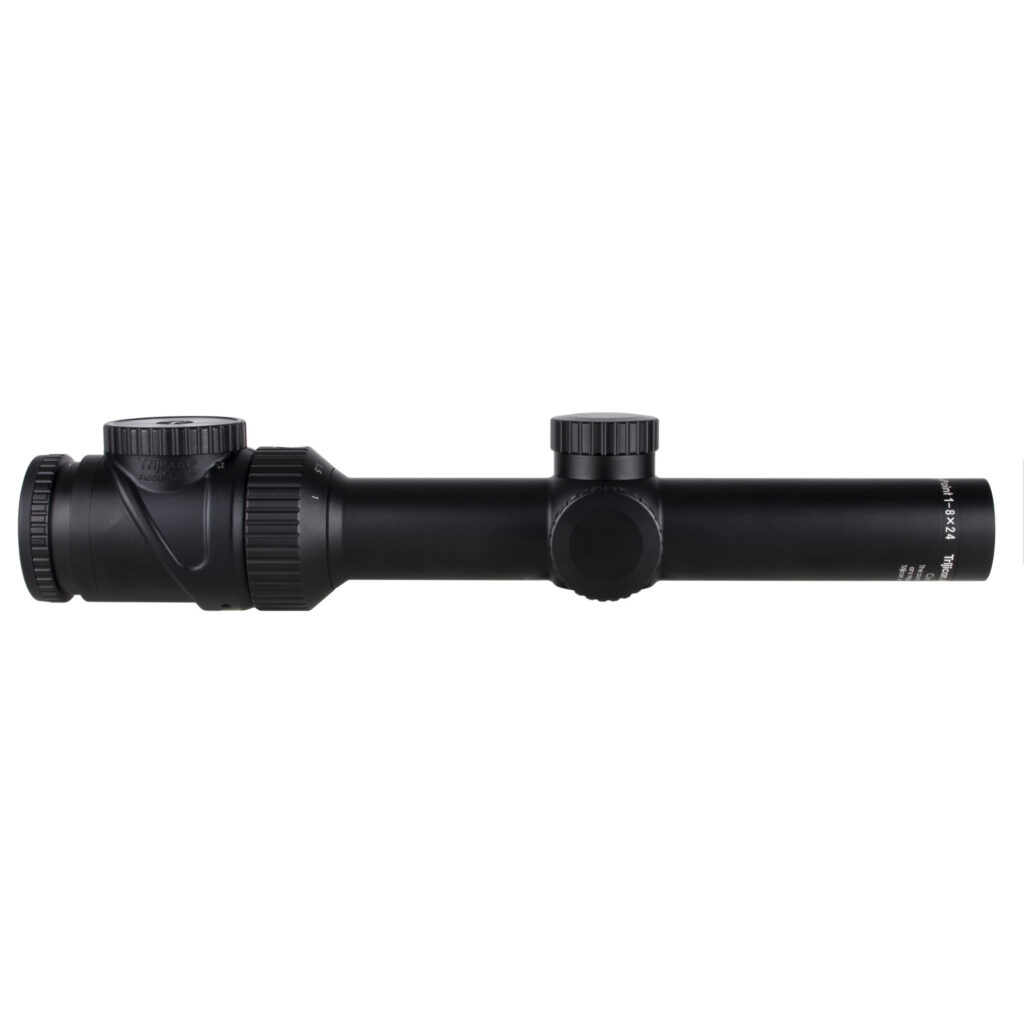
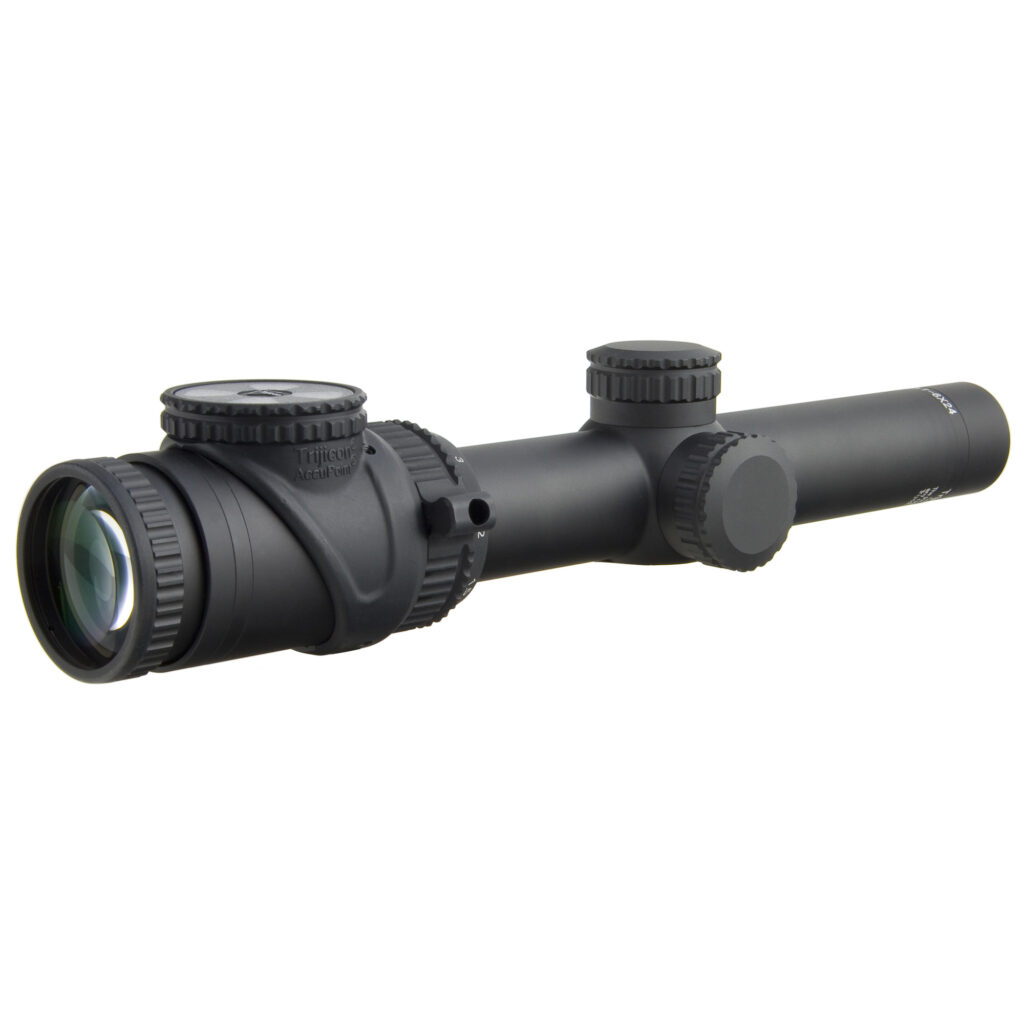
Trijicon AccuPoint 1-8×24 Riflescope, Green BDC Hunter Holds Reticle, Black
$1,255.74 -
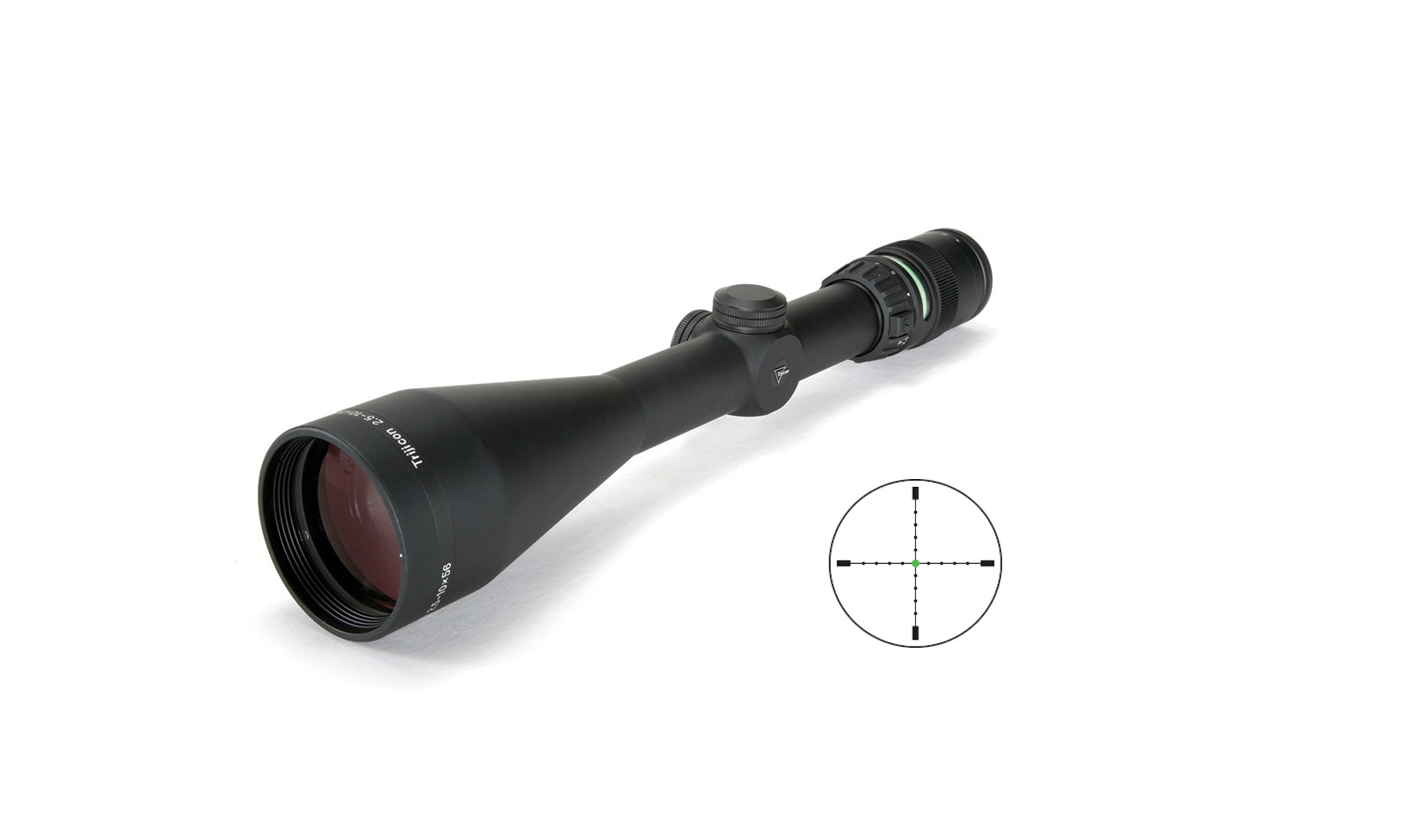
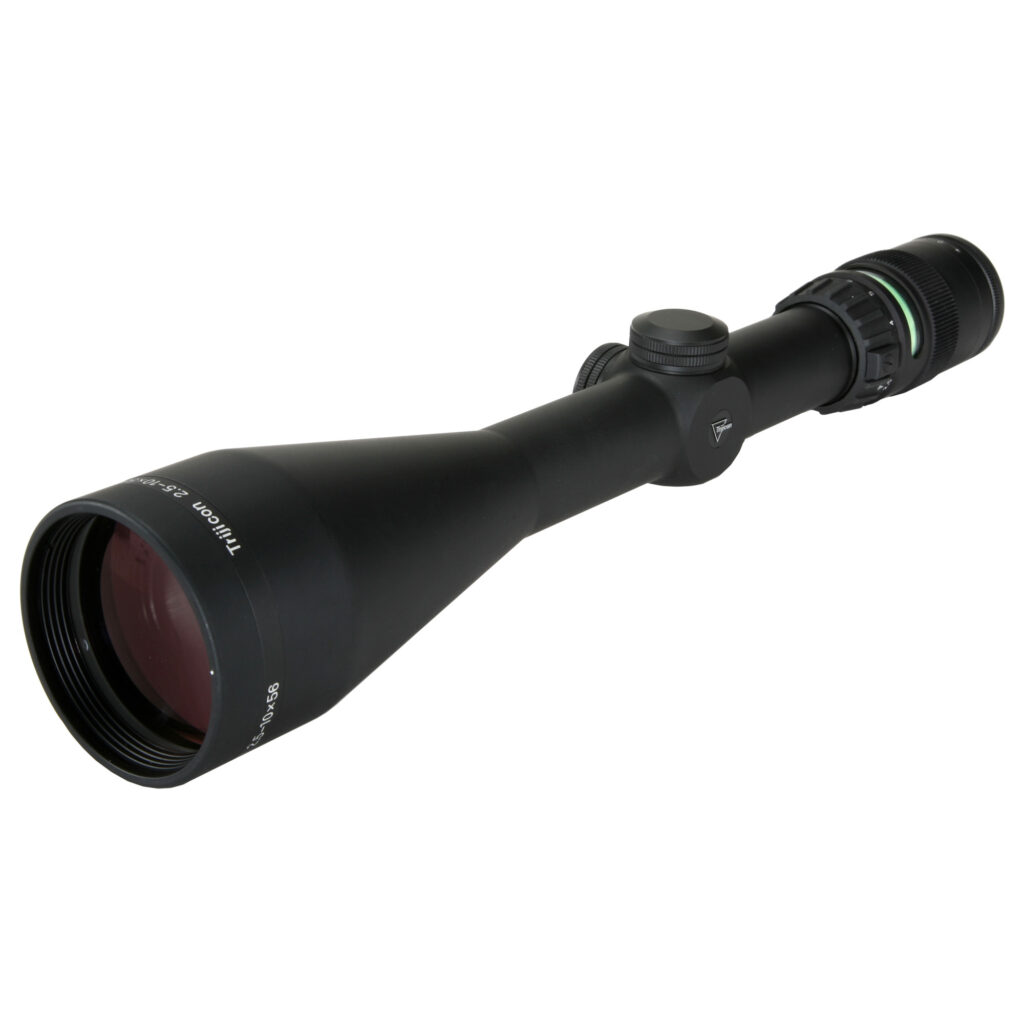
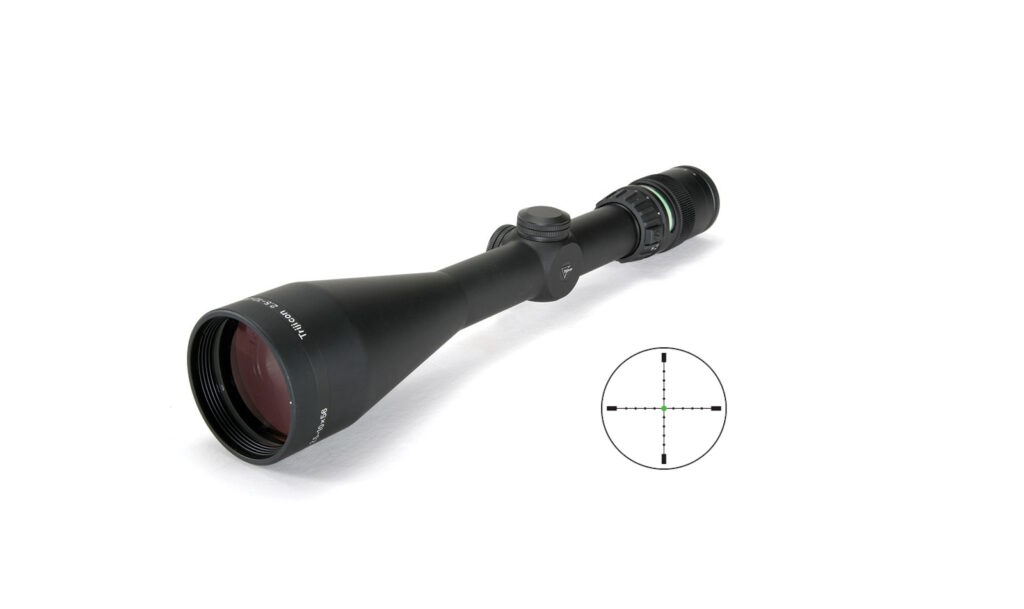
Trijicon AccuPoint 2.5-10×56 Riflescope, Duplex Reticle, Green Dot, Matte Black
$715.06 -
Trijicon AccuPoint 1-6×24 Riflescope, MOA-Dot Reticle, Green Dot, Matte Black
$1,023.47 -
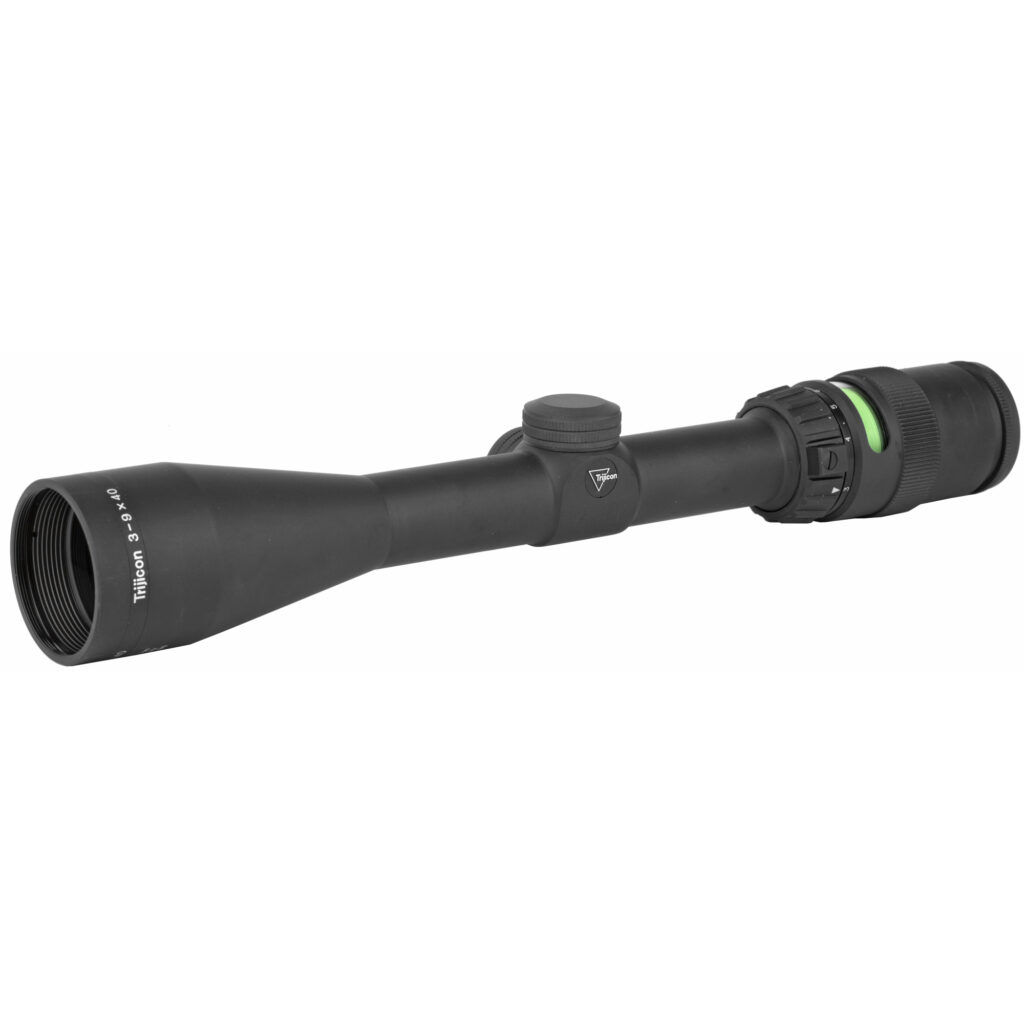
Trijicon AccuPoint 3-9×40 Riflescope, Mil-Dot Reticle, Green Dot, Matte Black
$658.54 -
Trijicon AccuPoint 2.5-10×56 Riflescope, Mil-Dot Reticle, Green Dot, Matte Black
$731.30
Trijicon AccuPoint Scopes
Trijicon AccuPoint scopes combine variable magnification with illuminated reticles that do not need batteries. Fiber optics gather ambient light for daytime illumination, and tritium provides a low-light glow. The range includes compact low-power scopes, traditional hunting formats, and higher-magnification models with side-parallax controls. Choosing an AccuPoint means looking beyond magnification to the reticle, tube diameter, and exact adjustment configuration.
Compare Magnification and Objective Size
The 1-4×24 and 1-6×24 formats keep the objective compact and start at 1x. The 1-6×24 with a green MOA-Dot reticle adds a graduated crosshair, capped MOA adjustments, and a 6x upper setting. The 1-8×24 with BDC Hunter Holds extends the zoom range further and uses a different, hunting-oriented reticle with a green center dot.
For a lighter traditional format, the 3-9×40 with a green Mil-Dot reticle uses a 1-inch tube and weighs 13.4 ounces. The 2.5-10×56 models have a larger objective and a 30 mm tube. Compare the green duplex TR22-1G with the green Mil-Dot TR22-2G to see how the same optical format can offer either a simple crosshair or more reticle reference detail.
The 2.5-12.5×42 range adds side-parallax adjustment with a smaller objective than the 56 mm models. Higher-power 4-16×50, 4-24×50, and 5-20×50 configurations offer more upper-end magnification, but their reticles and turret designs are not interchangeable. A larger objective also requires more clearance, so compare the full dimensions as well as the magnification printed in the model name.
Choose the Reticle Pattern
Triangle post reticles use a single illuminated triangular element above a vertical post. Duplex reticles place a small illuminated dot at the center of a familiar crosshair. German #4 patterns use three heavy outer posts, while the Circle-Cross adds a circular reference around the center. These layouts offer different amounts of visual detail without making one pattern universally better for every buyer.
Mil-Dot, MOA-Dot, MOA Ranging, and MRAD Ranging reticles add graduated references. The BDC Hunter Holds pattern is a separate design and should not be confused with a Mil-Dot grid. Amber, green, and red identify specific illuminated variants; they are not selectable colors on a single AccuPoint. Check the complete manufacturer model number to confirm the exact reticle and color.
Understand the Controls
AccuPoint models use second-focal-plane reticles, which keep the same apparent size as the magnification changes. A reticle name does not always identify the turret units: the TR20 and TR22 Mil-Dot models use 1/4-MOA clicks, while the Mil-Dot TR25-C-200095 and TR26-C-200110 use 0.1-MIL clicks. MRAD Ranging models use 0.1-MRAD adjustments.
Low capped turrets protect the adjusters on many hunting and low-power configurations. Selected higher-magnification models instead have exposed elevation controls with a return-to-zero feature. Even within the 4-16×50 TR31 range, the duplex model is capped and the ranging-reticle models have exposed elevation controls. The legacy TR23 and newer TR33 5-20×50 scopes also differ, so their features should not be assumed to match.
Mounting and Related Options
The 3-9×40 TR20 uses a 1-inch tube, while the other AccuPoint formats discussed here use 30 mm tubes. Ring diameter alone does not establish fit: objective clearance and the rifle configuration also matter. Compare Trijicon scope mounts and rings for mounting options, or browse Trijicon LPVO scopes and the wider Trijicon riflescope collection for other optical formats.
Trijicon AccuPoint FAQs
Does a Trijicon AccuPoint need a battery?
No. AccuPoint reticles use fiber optics for illumination in ambient light and tritium for a low-light glow. A manual fiber-optic brightness control offers additional adjustment. This is different from an LED illumination system with selectable electronic brightness levels.
Are AccuPoint reticles first or second focal plane?
The AccuPoint models in this collection use second-focal-plane reticles. The reticle keeps the same apparent size as the magnification changes, unlike a first-focal-plane design.
Are the red, green, and amber colors interchangeable?
No. The illumination color belongs to the specific model. A red triangle-post scope does not switch to green or amber, and a green-dot crosshair is a different reticle configuration from a green triangle post.
Does every Mil-Dot AccuPoint have MIL adjustments?
No. The TR20 and TR22 Mil-Dot models use 1/4-MOA turret clicks. The TR25-C-200095 and TR26-C-200110 use 0.1-MIL clicks. Compare the exact model specifications rather than relying on the reticle name alone.
Do all AccuPoint scopes have side-parallax adjustment?
No. The TR20 3-9×40, TR22 2.5-10×56, TR24 1-4×24, and TR25 1-6×24 models have no separate side-parallax adjustment. The 2.5-12.5×42 and the higher-magnification 4-16×50, 4-24×50, and 5-20×50 configurations discussed here have side-parallax controls.
What is different about the 1-8×24 BDC Hunter Holds model?
The TR35-C-200183 has a green-center BDC Hunter Holds reticle and a 1-8x zoom range. The TR35-C-200184 uses a red BAC triangle post instead. Their reticle layouts are different, even though the scopes share the same magnification range and objective size.
Which 5-20×50 model has return-to-zero elevation?
The TR33-C-200149 MRAD Ranging model includes a return-to-zero elevation feature. It is a different configuration from the legacy TR23-1G duplex and TR23-2G Mil-Dot scopes, which have their own reticles and adjustment specifications.
Will the same rings fit every AccuPoint?
No. The 3-9×40 models use a 1-inch tube, while the other formats described here use a 30 mm tube. Appropriate ring height and objective clearance also depend on the scope and rifle, so matching tube diameter is only one part of compatibility.